November 17, 2026
Pizza Place Cheyenne Dining for Groups and Parties
By @josuemzum400
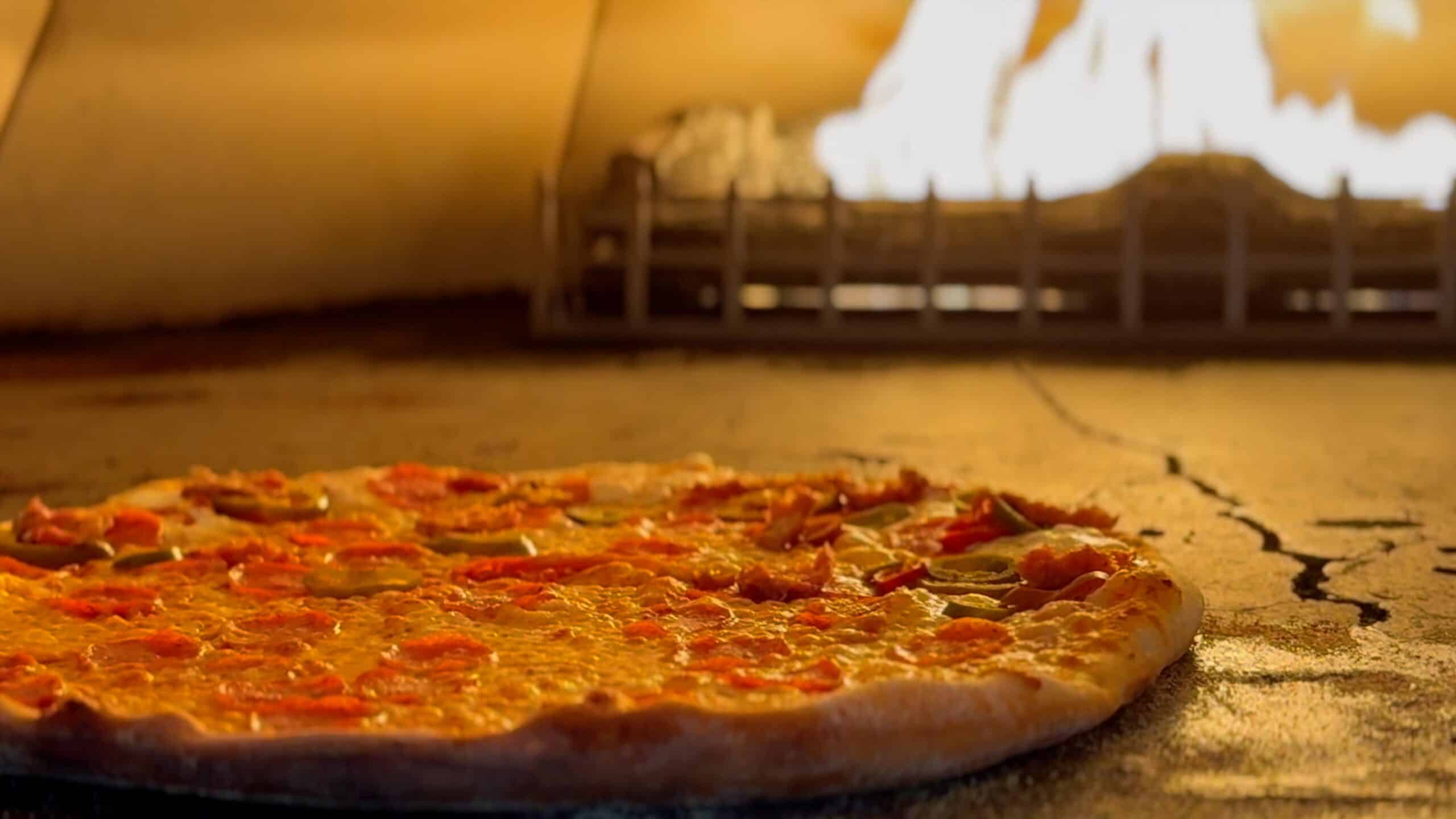
Group dining sounds simple until the details start stacking up. One family wants classic pepperoni, another person is gluten-conscious, a few kids are hungry right now, and someone is running twenty minutes late after hockey practice or a long shift. Add a birthday cake, a dozen drink orders, and the need for enough seating to keep conversation comfortable, and the choice of restaurant stops being casual. It becomes a logistics decision.
That is why pizza remains one of the smartest options for gatherings in Cheyenne. A good pizza restaurant handles variety better than almost any other format. It works for office lunches, youth team celebrations, extended family dinners, graduation parties, and informal birthday meals that do not need the overhead of a banquet room. When people search for a pizza place Cheyenne diners can trust for a crowd, they are usually looking for more than just great crust. They want smooth service, flexible ordering, enough room to relax, and food that lands well with a mixed group.
The best group meals feel easy, even though a lot has to go right behind the scenes. Seating, pacing, portioning, noise level, and menu balance all matter. If you are planning a gathering at a pizza restaurant, it helps to know what separates a place that merely serves pizza from one that genuinely handles parties well.
Why pizza works so well for group dining
Pizza has a built-in advantage for parties because it lowers the friction that often slows group meals down. People can share without feeling locked into a single entrée, and the table stays active instead of stalling while everyone waits for perfectly synchronized plates. That matters more than many hosts expect.
When a large group orders burgers, steaks, sandwiches, and salads, the kitchen has to juggle different cook times and plating demands. Pizza simplifies that process. Even if the order is large, the format is efficient. Guests can start eating as soon as the first pies arrive, and latecomers can still fit in naturally when the next round hits the table.
There is also the budget factor. Group hosts are often trying to strike a careful balance between generosity and control. Pizza gives them room to do that. You can scale the meal up or down without making it feel stingy. Adding a few pies, an appetizer, or a pitcher of drinks is much easier than covering several extra individual entrées at the last minute.
For families, pizza reduces the pressure of pleasing every age group. Kids recognize it. Teenagers actually eat it. Adults can choose more interesting toppings, salads, wings, or starters if the menu is broad enough. From a practical standpoint, that is a big reason the phrase pizza place Cheyenne comes up so often when locals discuss reunions, team dinners, and casual celebrations.
What makes a pizza restaurant group-friendly
Not every pizza spot is built for parties. Some make excellent takeout but struggle with dine-in flow. Others have good food but limited seating, tight aisles, or a service style that works best for couples and small tables. For a real group event, the restaurant needs operational strengths that do not always show up in a quick online photo.
Space is the first test. A dining room can look large until you picture fifteen people needing to sit together, set down coats, pass slices, and move in and out without bumping neighboring tables. The most comfortable group setups usually allow a little breathing room. People talk longer and order more when they do not feel packed in.
Acoustics come next. This gets overlooked constantly. A room with hard surfaces and no sound control can turn a cheerful party into a shouting match, especially once several tables fill up. Pizza places often have lively energy, which is part of the appeal, but there is a difference between energetic and exhausting. If you are planning for grandparents, small children, or work colleagues, moderate noise is usually better than maximum buzz.
Then there is service rhythm. Experienced staff know how to pace a group meal so the table keeps moving without feeling rushed. They know when to fire appetizers, how to split orders into waves, and how to keep drinks refreshed while the kitchen handles a large ticket. You can often tell within a few minutes whether a restaurant has that rhythm. Hosts who are greeted promptly, seated smoothly, and given realistic timing updates usually end up having a better event.
Menu structure matters too. A strong group menu does not need to be huge, but it should offer enough flexibility to cover common needs. A mix of classic pies, specialty options, lighter sides, and a few non-pizza choices goes a long way. If the restaurant can handle half-and-half topping requests, extra sauces, and a couple of dietary accommodations without confusion, that is a good sign.
The difference between a family dinner and a real party
Restaurants tend to use the language of “groups” and “parties” interchangeably, but there is a meaningful difference. A family of eight dropping in after a school event has different needs than a reserved birthday meal for twenty. The larger and more organized the occasion, the more important it becomes to coordinate in advance.
For a casual dinner, it may be enough to call ahead and confirm seating. For a birthday, retirement dinner, or post-game celebration, details start to matter. Will checks be split or combined? Can gifts sit somewhere out of the main traffic path? Is there room for a cake, and are there rules about outside desserts? Does the restaurant expect one large order placed up front, or can people order individually?
In practice, the best party experiences happen when the host treats the restaurant like a partner instead of a last-minute backdrop. Staff can solve a lot when they know what is coming. They cannot do much when twenty people arrive unannounced on a Friday evening and expect immediate seating.
A good pizza place Cheyenne hosts return to usually has a system for this. It may not be formal event planning, but there is usually someone who can explain how large parties are seated, what busy times to avoid, and how food can be timed to fit the event.
Questions worth asking before you book
A two-minute phone call can prevent most of the common group dining problems. People often focus only on whether the restaurant has enough seats, but capacity is only one piece of the picture. A few direct questions can clarify whether the place is right for your group and the experience you want.
- What group size can you seat comfortably in one area?
- Do you take reservations or call-ahead seating for parties?
- Can checks be split, and if so, how many ways?
- Is there a recommended ordering approach for large groups?
- Are there quieter times of day that work better for parties?
Those answers tell you a lot. If the staff responds clearly and confidently, that usually reflects how they operate during service. If the answers are vague, rushed, or contradictory, it is a sign to simplify your plans or keep looking.
Ordering for a crowd without overcomplicating it
Many party hosts make one of two mistakes. They either under-order because they are afraid of waste, or they over-order in a way that creates confusion rather than abundance. Good group ordering is less about maximizing volume and more about balancing appetite, timing, and variety.
For mixed-age groups, plain cheese and pepperoni disappear first almost every time. That does not mean the whole order should be basic, but it does mean the familiar pies should anchor the meal. Specialty pizzas work best as a complement, not the core, unless the entire group has similar tastes.
Appetizers should support the meal instead of replacing it. Wings, breadsticks, salads, and a couple of shareable starters can buy the kitchen time and give early arrivals something to enjoy. They also help smooth out hunger levels, especially when children or athletes are involved. I have seen many team parties go sideways simply because the first food took too long to reach the table. A basket of starters can completely change the mood.
If the group includes seniors or guests with smaller appetites, portion planning should account for that rather than treating everyone as a teenage linebacker. On the other hand, if the event follows a game, performance, or travel day, people often eat more than expected. Context matters. Twelve office workers at a noon meeting and twelve teenagers after competition are not the same order.
One practical approach works in most cases:
- Start with a base of crowd-pleasing pizzas that everyone recognizes.
- Add a smaller number of specialty pies for variety.
- Include one or two shareable sides to bridge the wait.
- Confirm dietary needs before ordering, not at the table.
- Leave a little room for a last-minute add-on round.
That last point matters. Some of the smoothest group meals are the ones where the host does not try to solve every appetite question upfront. Ordering enough to begin well, then adding a final pie or two if needed, often works better than flooding the table all at once.
Timing can make or break the experience
If you have ever walked into a popular restaurant with a dozen people at peak dinner hour, you already know timing is not a small detail. It is often the deciding factor in whether the event feels enjoyable or stressful.
Early evening can be ideal for family parties because children are still in a good mood, parking is easier, and the dining room has not hit full volume yet. Late lunch can work beautifully for office groups or retirees because there is more flexibility in table setup and service attention. Weekend nights tend to bring energy, but they also bring wait times, noise, and tighter pacing.
The same restaurant can feel completely different at 5:00 p.m. Than it does at 7:00 p.m. If your priority is celebration and buzz, the busier window may suit you. If your priority is conversation, photos, gifts, or keeping grandparents comfortable, earlier is often smarter.
Weather matters in Cheyenne too. On days with snow, wind, or major local events, travel delays and staggered arrivals become more likely. In those situations, a restaurant that can pace food in rounds becomes especially valuable. Nobody wants the first pizzas to cool off while waiting for half the party to make it through traffic.
The best seating setups are not always the biggest
A long table looks festive, but it is not automatically the best arrangement. Once you get beyond ten or twelve people, a single stretched line can make conversation awkward. Guests end up talking only to the two people nearest them, and servers have to reach across plates to manage drinks and food.
Two nearby tables or a loose cluster can sometimes feel better, especially for family parties where people move around naturally. Parents can shift closer to children, grandparents can sit where access is easier, and servers can place food more efficiently. There is no universal perfect layout. The right setup depends on the age mix, the purpose of the event, and how much movement you expect.
For kid-heavy parties, proximity to restrooms, space for strollers, and enough elbow room for booster seats matter more than visual symmetry. For office groups, easier conversation and manageable check splitting tend to matter more. For birthdays, photo-friendly seating and room for presents or dessert service might take priority.
This is where local knowledge becomes useful. When people recommend a pizza place Cheyenne residents use for parties, they are often responding to these practical details, not just the flavor of the sauce. A restaurant that understands room flow earns repeat business because hosts remember how the event felt.
Service details guests notice immediately
Most diners are forgiving about small delays if they feel informed and looked after. They get frustrated when confusion goes unexplained. For parties, communication is half the battle.
Clear expectations around wait time help. So does simple table management, like bringing enough plates, napkins, and drink refills before guests have to ask twice. When a server checks in at the right moments, the host stops carrying the whole burden of the event.
Little things stand out. Was there enough room to set down gifts? Did the staff acknowledge the birthday without turning it into a spectacle no one wanted? Were empty boxes available promptly for leftovers? Could people hear each other? Did the final bill arrive in a form that matched what had been discussed?
These are not glamorous details, but they shape the memory of the night. A party can have excellent pizza and still feel disorganized. On the other hand, a restaurant with solid food and excellent handling often becomes the default venue for future gatherings.
Dietary needs and mixed preferences
Group dining always comes with at least one curveball. Someone avoids meat. Someone cannot handle much spice. Someone wants thin crust, another prefers a heartier style, and a child eats exactly two acceptable foods. The trick is not eliminating every possible issue. It is choosing a place flexible enough to absorb them.
That usually means looking for a menu with multiple topping combinations, accessible salads or sides, and staff who answer ingredient questions without hesitation. If someone in the group has a serious allergy or celiac disease, that deserves a direct conversation with the restaurant ahead of time. Pizza kitchens can often offer alternatives, but cross-contact concerns should never be guessed at.
The host also helps by setting expectations. A party meal is easier when guests know whether it will be shared family-style, ordered individually, or handled in a combination of both. People are usually flexible when the plan is clear. They become particular when the plan feels chaotic.
Budgeting without making the night feel cheap
There is an art to managing costs discreetly. Guests should feel hosted, not counted. Pizza helps because it naturally creates abundance at a lower cost than many full-service group meals, but a little planning still matters.
If the gathering is work-related, decide beforehand whether the host is covering the whole meal, just the food, or a set amount per person. If it is a family event, think about whether drinks and desserts are part of the plan or optional extras. Ambiguity on this point can create awkwardness faster than almost anything else.
One approach I have seen work well is to pre-plan the first round generously, then let the host decide whether to add desserts or another pizza based on how the event is going. That keeps spending flexible without making anyone feel watched. Another good move is confirming gratuity expectations for large groups before the meal begins, especially if the final check structure is unusual.
A reliable pizza place Cheyenne hosts can return to is often one where value feels honest. Not necessarily the cheapest option, but the one where portion size, service, and atmosphere justify the spend.
When takeout or semi-private dining may be the better move
Dine-in is not always the best answer, even for a celebration. Sometimes the right call is ordering from a strong local pizza spot and hosting the group at home, in an office break room, or at a community venue where people have more space.
This tends to work best when the guest list is large, the event includes speeches or gifts, or the group needs full control over timing. It can also be a smart option for sports teams, school-related gatherings, or multi-generational celebrations where movement and noise are hard to manage in a standard dining room.
Some restaurants bridge the gap by offering party trays, large-format orders, or semi-private sections without the formality of a banquet facility. That middle ground is often ideal. Guests get restaurant food and less cleanup, but the event feels more contained and easier to manage.
What people remember after the party
Guests rarely leave talking only about the pizza, even when the pizza is very good. They remember whether the evening flowed. They remember whether the grandparents could hear, whether the kids were fed before a meltdown, whether the server stayed calm, and whether the host looked relaxed instead of overwhelmed.
That is the real standard pizza place cheyenne for evaluating group dining. Food starts the decision, but execution earns loyalty.
For anyone searching for a pizza place Cheyenne groups can depend on, the smartest move is to think beyond toppings. Look for a restaurant that understands pacing, seating, communication, and the small mechanics of hospitality. Those are the places where parties feel easy, birthdays stay fun, and team dinners actually end on a high note.
A well-run pizza gathering has a certain kind of generosity to it. Plates are passed, slices disappear, conversation loosens, and nobody spends the night negotiating the menu. For groups and parties, that simplicity is not accidental. It is what good pizza restaurants do best.
Ruffrano's Hell's Kitchen Pizza Cheyenne
Address: 1670 E Cheyenne Mountain Blvd, Colorado Springs, CO 80906
Phone number: +17195764355
FAQ About Pizza Place Cheyenne
What's the most popular pizza place?
The "most popular" pizza place depends on whether you measure by location count, total sales, or customer favorite status.
What is the 2 pizza rule?
The two-pizza rule is a management principle made popular by Amazon founder Jeff Bezos. It states that a team or meeting should never be larger than what can be fed with two large pizzas—typically translating to a group of 5 to 10 people (or roughly 6 to 12 people depending on appetites).
Is 2 pizzas enough for 10 people?
No, 2 pizzas are usually not enough for 10 people.
❧