November 17, 2026
Pizza Place Cheyenne Dining Tips for a Delicious Visit
By @josuemzum400
Cheyenne has the kind of dining scene that rewards a little attention. At first glance, finding pizza might seem straightforward. You pull up a map, search for a pizza place cheyenne, pick the closest spot, and expect a reliable meal. Sometimes that works. Often, though, the difference between a decent dinner and a genuinely memorable one comes down to timing, ordering strategy, and reading the room once you walk in.
Pizza is one of the easiest meals to underestimate. People assume it is casual by default, which is true, but casual does not mean thoughtless. Good pizza restaurants have rhythms. They have peak hours when the ovens are stretched, quieter windows when the staff can guide you toward house favorites, and menu items that travel beautifully to the table but lose something if you order them for takeout. If you know what to look for, you can stack the odds in your favor before the first slice lands.
Cheyenne adds its own practical layer. Weather can turn quickly, families often dine early, and a restaurant’s feel can shift a lot between a weekday lunch and a Friday dinner. If you are planning a visit, whether you live nearby or you are passing through, these tips will help you choose well, order smart, and leave happy.
Start by deciding what kind of pizza night you actually want
A lot of disappointing restaurant visits begin with a mismatch in expectations. One person wants a quick bite before an event. Another wants a slow, social meal with drinks and appetizers. Someone else is hunting for the biggest possible pie for the price. The restaurant might be doing its job perfectly, but if your group has not aligned on the goal, the meal can still feel off.
Before picking a pizza place cheyenne, settle on the experience you want. If speed matters, look for somewhere with a streamlined menu and a reputation for efficient service. If you care most about crust texture and ingredient quality, plan to dine in rather than carry out, because a fresh pie out of the oven almost always shows a kitchen at its best. If you are feeding a group with mixed tastes, choose a place that offers flexible topping combinations, half-and-half options, or smaller pies that let people branch out without committing to one giant pizza everyone merely tolerates.
That sounds obvious, but it solves more problems than people realize. pizza place cheyenne In practice, the best pizza outing is usually the one where the format suits the moment.
Timing matters more than most diners expect
Pizza restaurants can absorb a crowd better than many other concepts, but there is still a limit. Ovens have capacity. Dough takes handling. Salads, wings, sandwiches, and desserts pull staff in different directions. During peak periods, a great kitchen can still produce great food, but small details can slip. A crust may sit an extra minute before hitting the table. A server may not have time to explain which specialty pie is actually worth ordering.
If your schedule allows flexibility, aim for slightly off-peak windows. A weekday lunch, an early dinner, or a later evening visit often gives you a better chance of relaxed service and a pie that gets full attention. This is especially useful if you are trying a new restaurant and want to understand what it does best.
Weekend nights bring a different trade-off. The atmosphere can be livelier, which is fun if that is what you want, but service can slow and wait times can grow. Families with children often arrive earlier. Larger groups can create noise and pressure on shared spaces. None of that is a reason to avoid the busiest periods, only a reason to plan for them.
If you are traveling through Cheyenne, build in extra time. A good pizza meal rarely benefits from rushing, and the places that are worth visiting tend to be the same ones everyone else has in mind.
Read the menu like someone who wants the best version of the kitchen
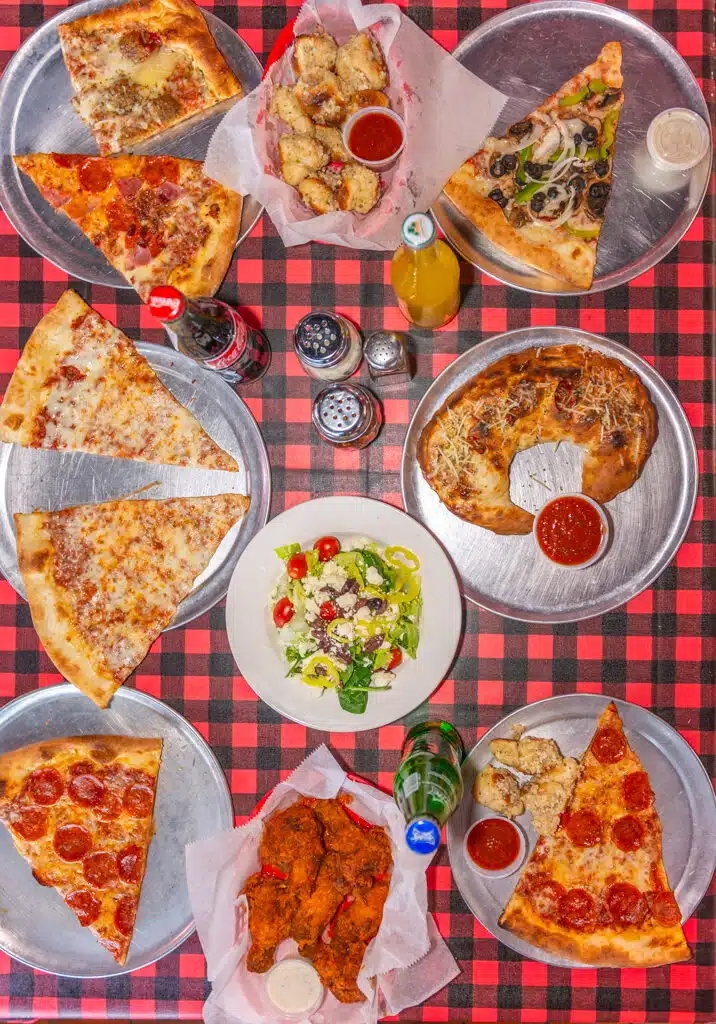
One of Ruffrano's Hell's Kitchen Pizza Cheyenne pizza place cheyenne the easiest ways to improve your meal is to stop treating the menu as a giant checklist. Every pizza restaurant has items it does especially well. Sometimes it is the simplest cheese pie because the crust, sauce, and bake are excellent. Sometimes it is a signature combination the kitchen has refined over time. Sometimes the sleeper hit is not pizza at all, but a starter or salad that balances the richness of the meal.
A common mistake is overloading the first pizza with toppings. More is not always better. Heavy meats, extra cheese, and watery vegetables can work against the crust, especially if the pie is already substantial. If you are visiting a place for the first time, order at least one pizza that lets the fundamentals show. A plain cheese, a margherita-style pie, or a lightly topped house specialty tells you far more about the kitchen than a maximalist build covered edge to edge.
This matters because good pizza depends on balance. Sauce should support the cheese rather than drown it. Toppings should add flavor without collapsing the structure. The crust should still have character by the final slice. When you bury a pizza under everything available, you make it harder for the kitchen to deliver that balance.
If your table wants variety, there is a practical approach that works well.
- Order one simple pie that highlights the crust, sauce, and cheese.
- Add one specialty pie with the restaurant’s house personality.
- Round out the table with a salad or vegetable-forward side.
- If there are children or cautious eaters, keep one option familiar.
- Save custom topping experiments for a second visit, once you know the baseline.
That sequence has rescued many group dinners from the usual outcome, which is one overloaded pizza that nobody loves and a table full of people pretending it was exactly what they wanted.
Crust style should guide the rest of your order
Crust is not just a preference. It changes how much you should order, which toppings make sense, and whether leftovers will hold up. A thinner pie can support brighter, lighter toppings and usually feels less filling per slice, even when the total pizza is generous. A thicker or pan-style crust carries richer toppings better and tends to satisfy faster.
If the restaurant offers several crust styles, ask which one is most popular for dine-in and which holds up best if you plan to take leftovers. Staff usually know. A candid answer from a server is often more useful than five minutes of reading menu descriptions.
There is also a social element here. If you are eating with a group, think about how people actually eat pizza. Some diners love folded slices, crisp edges, and a faster pace. Others want a sturdier piece they can manage without juggling toppings. Matching the crust to the group reduces mess and makes the meal feel smoother.
I have seen plenty of tables order a heavier style out of hunger, then stall halfway through because every slice eats like a meal. I have also seen the reverse, where a thin crust disappears in minutes and the table ends up adding a second order after the kitchen is already deep in dinner rush. A little realism goes a long way.
Don’t ignore the non-pizza items
Strong pizza places often reveal their standards through the supporting cast. Salads show whether ingredients are fresh and handled with care. Garlic bread, wings, or meatballs show how the kitchen seasons and times simpler dishes. Desserts show whether the restaurant wants to finish well or merely move the check along.
That does not mean you need to turn a pizza night into a feast. It means one smart side can improve the whole experience. A crisp salad can cut through the richness of melted cheese. A well-made appetizer can bridge the gap if the ovens are busy. For families, a starter buys patience. For adults sharing a meal, it sets a better pace than attacking the first pie the second it lands.
Use restraint, though. Too many sides can crowd the table and make the main event feel secondary. Pizza is generous by nature. It is easy to over-order when everyone arrives hungry.
Pay attention to the room, not just the rating
Online ratings can point you in the right direction, but they do not tell you everything. A pizza place can have strong reviews and still be the wrong fit for your evening. One may be beloved for takeout but noisy for dine-in. Another may shine for lunch slices yet feel stretched on busy weekend nights. A third may be excellent for families and less appealing if you want a quieter dinner conversation.
Once you walk in, look around. Are the tables turning smoothly or waiting too long for food? Do pizzas coming out of the kitchen look consistent? Does the staff seem calm and coordinated? Is the dining room clean in the places people forget to stage for appearances, like corners, condiment stations, and entryways? Those details matter.
A seasoned diner can learn a lot in two minutes. If the host is transparent about wait times, that is usually a good sign. If a server can explain the differences between house pies without reciting the menu mechanically, even better. If the room is full of people eating rather than staring impatiently toward the kitchen, you are probably in capable hands.
Families, groups, and solo diners all need slightly different strategies
The best way to enjoy a pizza place cheyenne changes depending on who is at your table. Families should think about speed, flexibility, and cleanability. Pizza restaurants are often forgiving with kids, but the easiest meal is still one that arrives before patience runs out. Ordering one familiar pie alongside one more adventurous option usually works better than trying to convert everyone at once.
Groups need to talk portions early. This is where people get tripped up. One person hears “large” and imagines abundance. Another knows that some large pizzas are thin enough to disappear quickly. If the server can help with sizing, ask. If not, build in a little buffer, especially if there are teenagers, athletes, or anyone who arrived truly hungry.
Solo diners have a different opportunity. A pizza restaurant can be one of the best places to enjoy a meal alone if you order intentionally. Sit at the bar or a smaller table if available, choose a size that leaves you with useful leftovers rather than an absurd amount, and use the staff as a resource. Solo diners often get the clearest recommendations because there is less group negotiation and fewer constraints.
Weather and travel can change your best option
Cheyenne’s conditions can shape your visit more than many travelers expect. Wind, cold, and sudden weather shifts make a warm restaurant especially appealing, but they also affect how much effort you want to spend moving around town. On rough-weather days, convenience matters. A place with easy parking, quick seating, and dependable service may be a better choice than the theoretically perfect restaurant across town.
This matters even more if you are ordering takeout. Pizza is one of the better foods for travel, but it still declines fast if it steams in the box too long. A longer drive can soften the crust and flatten the textures that made the pie attractive to begin with. If you are taking food back to a hotel or home, choose a style that tolerates the trip. Sturdier crusts and less delicate toppings usually survive better than ultra-thin pies loaded with fresh greens or soft cheeses.
If you are just passing through, ask yourself whether you want a destination meal or a practical meal. There is no wrong answer. Problems start when diners expect one and accidentally choose the other.
What to ask when you want a better recommendation
You do not need to quiz the staff, but a few targeted questions can dramatically improve your order. The key is to ask questions that invite judgment rather than yes-or-no responses.
Try asking which pizza the kitchen is most consistent with, which pie regulars reorder most often, or whether a particular specialty runs heavy. Those questions are useful because they draw on experience, not salesmanship. Servers who know the menu well can often steer you away from a combination that sounds good on paper but eats heavier than you want.
If you have dietary preferences or limits, be specific without making it complicated. Saying you want something flavorful but not too salty, or substantial but not overly rich, gives the staff a clear target. The better restaurants appreciate that kind of direction because it helps them match you to the menu instead of leaving you with a random guess.
Drinks deserve more thought than they usually get
People tend to default to soda or beer with pizza, and both can work, but your drink choice changes the pace and feel of the meal. A crisp beer can pair nicely with savory toppings and richer cheese. Sparkling water keeps the meal lighter and helps if you are sharing several dishes. Wine, when available and chosen well, can balance a tomato-forward or herb-heavy pie better than many diners expect.
The practical point is simple. Pizza is rich, salty, and often hot. Choose a drink that supports the meal rather than doubling down on heaviness. If you are having a midday meal or driving afterward, lighter options often make the whole visit feel better.
Handle leftovers like they matter, because they do
A strong pizza meal often extends to the next day. That is one of its pleasures. But leftovers can either feel like a bonus or like evidence of over-ordering, depending on how you manage them.
Ask for boxes before the table is exhausted. Packing slices while they still have structure usually works better than waiting until the cheese has fully cooled and settled. If you know someone at the table wants leftovers, factor that into the order instead of treating it as accidental. It is a small mental shift, but it reduces waste and improves the dining decision from the start.
At home or in a hotel kitchenette, reheating in an oven or skillet will preserve crust far better than a microwave. That may sound fussy, but it is worth it. A few extra minutes can turn leftover pizza back into something you are glad to eat rather than merely willing to finish.
The small habits that separate a good visit from an excellent one
Most pizza meals succeed or fail on modest decisions rather than dramatic ones. The restaurant may have great dough, flavorful sauce, and a competent team, but your own choices still shape the experience. The diners who enjoy themselves most are usually the ones who pace the meal, stay realistic about portions, and order with a little strategy.
Here are the habits that consistently pay off:
- Arrive a bit earlier than peak dinner time when you can.
- Let one pizza be simple enough to judge the kitchen honestly.
- Balance rich pies with something fresh on the table.
- Ask staff for guidance in practical terms, not vague superlatives.
- Think ahead about leftovers, parking, and travel time before ordering.
None of that is complicated. That is the point. Good dining is often less about insider secrets and more about sound judgment applied early.
A pizza night in Cheyenne is best when it feels unforced
The appeal of pizza is that it can meet many moods without pretending to be more than it is. It can be a family dinner after a long day, a low-pressure date, a meal for travelers who want comfort, or a gathering point for friends who need an easy place to talk. Cheyenne suits that kind of meal well. The setting invites practicality, warmth, and straightforward pleasure.
If you treat your restaurant choice with just a little care, your odds of a satisfying visit rise sharply. Pick the style that matches the moment. Respect the timing. Order with balance. Listen when the staff gives you clues. A good pizza place cheyenne can deliver exactly what most people want from dining out, comfort with character, provided you meet it halfway.
And when the right pie lands at the right table, hot from the oven with the crust still lively and the toppings in proportion, there is nothing especially complicated left to say. You eat, the table relaxes, and the visit takes care of itself.
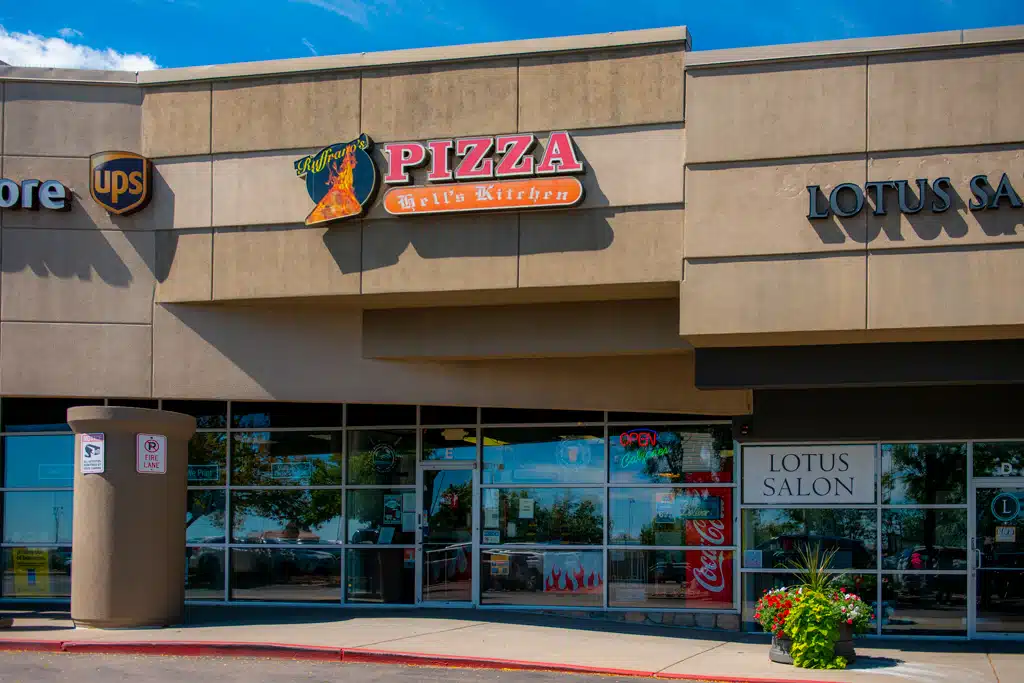
Ruffrano's Hell's Kitchen Pizza Cheyenne
Address: 1670 E Cheyenne Mountain Blvd, Colorado Springs, CO 80906
Phone number: +17195764355
FAQ About Pizza Place Cheyenne
What's the most popular pizza place?
The "most popular" pizza place depends on whether you measure by location count, total sales, or customer favorite status.
What is the 2 pizza rule?
The two-pizza rule is a management principle made popular by Amazon founder Jeff Bezos. It states that a team or meeting should never be larger than what can be fed with two large pizzas—typically translating to a group of 5 to 10 people (or roughly 6 to 12 people depending on appetites).
Is 2 pizzas enough for 10 people?
No, 2 pizzas are usually not enough for 10 people.
❧