November 17, 2026
Pizza Place Cheyenne Favorites for Fans of Loaded Toppings
By @josuemzum400
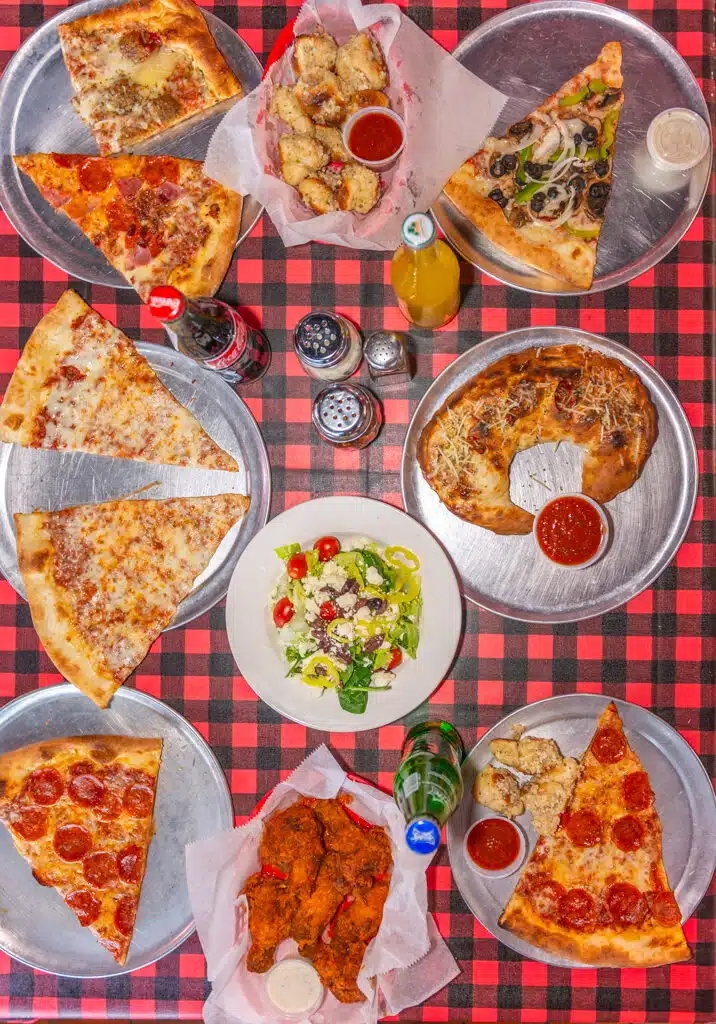
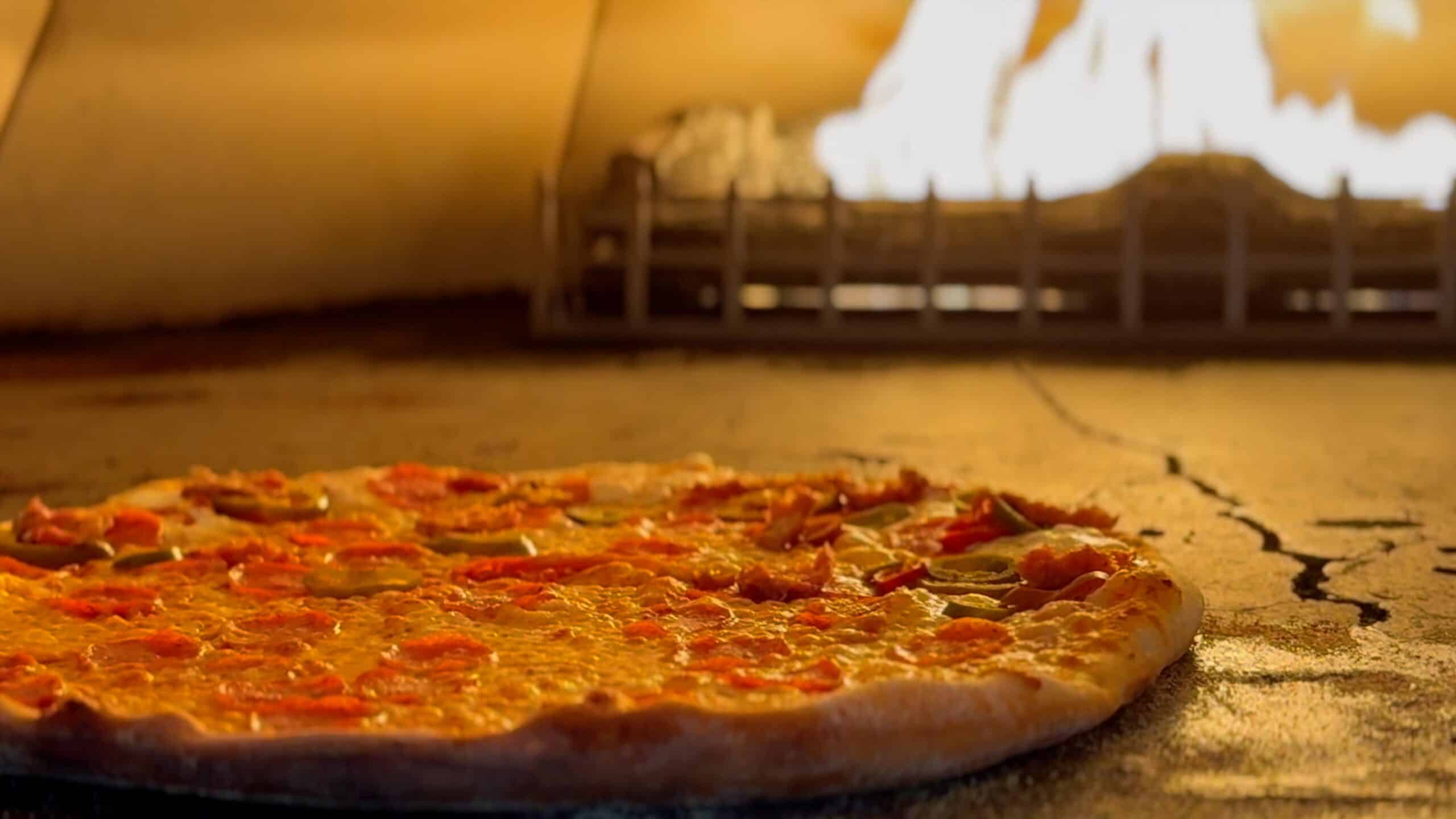
There are pizza nights built around restraint, a thin layer of sauce, a careful scatter of fresh mozzarella, a few basil leaves. Then there are pizza nights for people who want the works. Not just pizza place cheyenne pepperoni, but pepperoni, sausage, mushrooms, onions, olives, peppers, maybe bacon if the kitchen is feeling generous and the crust can carry the weight. For that crowd, finding the right pizza place Cheyenne locals trust is less about trend and more about execution.
Loaded toppings sound simple on paper. Add more ingredients, make more people happy. In practice, heavily topped pizza is one of the easiest styles to get wrong. Too much moisture from vegetables and the center goes limp. Too many cured meats and the salt overwhelms everything. Cheap cheese burns before the dough finishes. A rushed bake leaves the top hot and the middle underdone. Anyone who orders combination pies regularly has had that moment of lifting a slice only to watch the toppings slide off in one hot, chaotic sheet.
The good places know how to prevent that. They build for structure. They balance water, fat, salt, and heat. They understand that a pizza carrying six or seven toppings is not just a larger version of a plain cheese pie. It is its own category, one that demands better judgment from the kitchen. That is what separates the forgettable spots from the places people remember.
What loaded-topping fans actually want
People who prefer heavily topped pizzas are sometimes treated like they are ordering without much thought, as if more automatically means less discerning. My experience has been the opposite. Loaded-topping fans tend to notice details fast, because so much can go sideways.
The first thing they want is bite integrity. A slice should bend a little and still hold together. It should not collapse under the toppings or leave a puddle of oil on the plate after thirty seconds. That sounds basic, but it takes discipline from the kitchen, especially during a busy dinner rush.
The second thing is clear flavor separation. If you order a pie with sausage, green peppers, onion, mushrooms, and black olives, you should be able to taste all of those ingredients. A good pie feels layered. pizza place cheyenne A bad one tastes like hot salt and wet cheese.
Third, they want generosity without carelessness. A loaded pizza should feel abundant, not sloppy. That distinction matters. The best versions are full, rich, and satisfying, but never random. You can see the topping distribution before the box even cools, and you know someone in the back took an extra ten seconds to make sure every slice had a fair share.
That is why the best pizza place Cheyenne diners seek out for topping-heavy orders often earns loyalty in a very practical way. It handles the difficult pizzas well, not just the easy ones.
The crust has to do real work
When people talk about toppings, they often skip past the crust. That is a mistake. On a loaded pie, the crust is not just a base. It is the engineering.
A very thin crust can be excellent, but only if the kitchen understands how to keep the topping count in check or bakes at enough heat to set the bottom quickly. Otherwise the center stays soft and the edges do all the work. A thicker hand-tossed crust tends to be the safest format for loaded combinations because it has enough interior structure to support heavier ingredients without becoming dense. Pan-style crust can work beautifully too, especially for people who like a crisp, almost fried edge that stands up to rich meats and extra cheese.
In Cheyenne, where comfort food matters and weather can push people toward heartier meals for much of the year, a loaded pizza often makes more sense on a medium-thick crust than on an ultra-thin one. That is not a universal rule, but it is a useful starting point. When the air is cold and the appetite is serious, people tend to want something that eats like dinner, not just a snack with toppings.
Good dough also buys the kitchen forgiveness. If the dough is fermented properly and baked with attention, it brings enough flavor and strength to support bold topping combinations. If it is bland or underproofed, the pie relies entirely on sauce and meat for character, and the whole thing feels heavier than it should.
Sauce matters more on a fully loaded pie
On a plain cheese pizza, the sauce can stay in the background and still do its job. On a loaded pie, it needs to hold the whole thing together. Too sweet, and the meats clash with it. Too acidic, and the vegetables turn harsh. Too much sauce, and every extra topping adds more steam and moisture. Too little, and the pizza eats dry, especially under layers of sausage or extra cheese.
The best sauce for a topping-heavy pizza usually has a few key traits. It is seasoned enough to stand up to meat. It is not watery. It brings some brightness without turning sharp. And most importantly, it is spread with restraint in the center, where overloaded pies are most likely to become soft.
This is one of those kitchen details diners do not always see, but they definitely feel. A pizza place Cheyenne regulars come back to often has a sense of proportion. It does not drown the dough in sauce just because the topping list is long.
The loaded combinations that usually work best
Not every ingredient belongs on a pie with five or six other toppings. Some ingredients are naturally cooperative. Others create problems unless they are managed carefully.
Pepperoni remains popular for a reason. It renders fat, crisps at the edges, and contributes flavor without much excess moisture. Italian sausage, when properly cooked and not left in oversized clumps, adds depth and enough fennel and spice to carry the middle of the pie. Mushrooms can be excellent, but only if they are not tossed on raw in a thick layer. Too many raw mushrooms steam themselves and the crust underneath.
Onions and peppers are a classic pair because they bring sweetness and texture, but they work better when sliced with a light hand. Black olives add salt and a distinctive briny note, though they can dominate if combined with several cured meats. Bacon is popular but tricky. It brings smoke and crunch, yet if it is too fatty or cut too thick, it can overwhelm the rest.
Ham and pineapple deserve a brief mention here because they are often part of loaded custom orders. The sweet-savory contrast can be excellent, but pineapple increases the moisture challenge quickly. Kitchens that handle it well usually use a restrained amount and pair it with ingredients like ham, bacon, or jalapeño that can stand up to it.
A well-run shop understands these interactions almost instinctively. It may not advertise that knowledge in flashy language, but you can taste it in the finished pie.
Balance beats sheer quantity
There is a big difference between loaded and overloaded. The best topping-heavy pizzas feel intentional. Every ingredient earns its place. The worst ones seem designed only to justify a higher ticket price.
One common mistake is stacking too many meats. Pepperoni, sausage, bacon, ham, and beef on one pie can sound appealing at the counter, but in practice that combination often blurs into one-dimensional richness. You lose contrast. A smarter build uses one or two bold meats, one vegetable with sweetness, one with earthiness or bitterness, and maybe a finishing accent such as olives or jalapeños.
Another mistake is ignoring texture. A loaded pizza needs contrast or it becomes monotonous halfway through the second slice. Crisp edges, soft cheese, springy dough, juicy sausage, slightly charred peppers, maybe the snap of onion, these differences keep the pie interesting. Without them, abundance starts to feel tiring.
This is where a seasoned cook or a good front-counter recommendation can save the order. Sometimes the best service at a pizza place Cheyenne customers appreciate is not saying yes to every topping request without question. It is gently steering someone from nine toppings down to five that work together.
Why cheese choice changes everything
Cheese is not just a blanket. On a loaded pizza, it is the binder, the insulator, and the source of a lot of the pie’s richness. That makes cheese choice more important than many people realize.
Low-moisture mozzarella is the workhorse for a reason. It melts predictably, browns well, and helps ingredients adhere to the slice. Fresh mozzarella can be delicious, but on a heavily topped pizza it introduces more water, which is usually the last thing the pie needs. Blends can work if they are used thoughtfully. A little provolone can deepen the flavor. A dusting of parmesan can sharpen the finish. Too much of either and the pie tips salty fast.
Extra cheese is another place where judgment matters. People often assume more cheese will make a loaded pizza better. Sometimes it does. Just as often, it traps steam under the toppings, preventing the whole pie from baking cleanly. If a shop already uses a generous base layer, asking for extra cheese on top of multiple meats and vegetables can hurt the texture more than it helps.
A place that consistently turns out strong loaded pies usually knows when to hold back. That restraint is not stinginess. It is craftsmanship.
Signs you found a strong option in Cheyenne
You do not need a kitchen tour to tell whether a shop understands topping-heavy pizzas. The clues show up quickly, often in the first order.
Here are a few signs that usually point in the right direction:
- The toppings reach the edge with intention, but the crust still has room to rise and crisp.
- The center slice can be lifted without folding into itself immediately.
- Vegetables taste cooked, not just heated.
- The meat is distributed in small enough pieces to give every bite some balance.
- The box is not filled with runoff oil or water after a short drive home.
Those details tell you a lot about the kitchen’s standards. They also matter more than flashy menu names. A pizza called “the ultimate” or “the monster” means very little if the shop cannot bake it properly.
The role of customization, and where it can go wrong
One of the pleasures of ordering from a local pizza place Cheyenne residents know well is the ability to customize. You can build around cravings, dietary preferences, or whatever leftovers-in-your-head mood happens to hit on a Friday night. But customization works best when people respect the limits of the medium.
If you want a pie loaded with vegetables, ask yourself how many of those vegetables release water. Mushrooms, tomatoes, spinach, and pineapple all add moisture. That does not mean you should avoid them. It means you should think carefully about pairing. Add one or two high-moisture ingredients, not four. If you are adding a lot of vegetables, it often helps to skip extra cheese.
If you want a meat-heavy pie, try balancing rich meats with a brighter note. Onion, banana peppers, jalapeños, or even a modest amount of green pepper can keep the pie from becoming flat. If the shop offers finishing herbs or crushed red pepper, those can wake up a richer combination without adding more weight.
Crust choice matters here too. The same topping combination that works on a pan pizza may fail on a thin crust. A good shop can often advise on this, and it is worth asking rather than assuming every dough style can handle the same build.
Why loaded pizzas often tell you more than specialty pies
Specialty pies are useful. They show what the house likes to make and often reveal strong combinations. But if you really want to judge a pizzeria, look at how it handles a custom loaded pizza. That is where shortcuts are exposed.
A specialty pie is usually designed around the shop’s equipment and pacing. The toppings are pre-portioned. The bake time is known. The crew has made that combination hundreds of times. A custom loaded pie is different. It tests whether the kitchen can think on its feet while still respecting balance and structure.
This is especially true during peak hours. Friday night, full board, tickets stacking up, drivers waiting, phone ringing, somebody in front asking for half no onion and half extra olives. That is when quality systems matter. Places that care about loaded pizzas build habits that survive the rush. They rotate pies in the oven correctly. They avoid dumping toppings in the middle. They know when a pizza needs another minute, even if the line is pushing hard.
Customers notice the result, even if they never see the process.
The dining-room version versus delivery reality
A loaded pizza eaten fresh in the restaurant is almost always at an advantage. The crust stays crisper. The cheese holds its texture. The toppings remain distinct. Once that pizza goes into a box for a 15 to 25 minute trip, steam changes things.
That does not mean delivery loaded pizzas cannot be excellent. It means the best shops plan for the trip. They bake a touch firmer. They avoid over-saucing. They do not trap the pie under an avalanche of wet vegetables. If you know your order will be delivered and you love loaded toppings, it can help to choose combinations with fewer high-moisture ingredients and a sturdier crust.
This is one of those practical truths people learn only after enough disappointing boxes. A pie that looks perfect for dine-in may not be the strongest traveler. A reliable pizza place Cheyenne families use for delivery tends to understand that difference.
Pairing loaded pizzas with the rest of the meal
A topping-heavy pizza changes what works around it. If the pie is rich and meat-forward, heavy sides can turn the whole meal dull. Breadsticks plus a loaded meat pizza plus a creamy dip is a lot of similar weight in one sitting. A sharper salad, a vinegar-based dressing, or a lighter appetizer often makes more sense.
Drinks matter too. Crisp lager, sparkling water, unsweet tea, or even just cold water with lemon all do more for a rich pie than a syrupy soft drink, especially if the toppings are salty. Small decisions like that affect how the meal feels after the second slice.
For groups, the best move is often variety rather than trying to satisfy everyone with one massive overbuilt pizza. A loaded combination pie plus one simpler option gives people contrast and keeps the meal from feeling one-note. That is not the most dramatic order, but it is usually the smartest one.
A short guide for ordering like a regular
If you want the best possible result from a pizza place Cheyenne locals already trust, a little ordering discipline goes a long way.
Ask which crust holds up best for a heavy combination. Most good staff members will answer honestly.
Keep moisture in mind. If you already have mushrooms and onions, maybe skip extra tomatoes.
Choose toppings for contrast, not just volume. Rich, sweet, bright, earthy, that mix eats better than all-rich everything.
Do not assume extra cheese solves structural problems. Often it creates them.
If you are ordering delivery, lean slightly sturdier than you would for dine-in.
That kind of approach usually produces a better pie than clicking every favorite topping out of habit.
What fans of loaded toppings should remember
The pleasure of a loaded pizza is not just abundance. It is abundance that still works. The right pie feels generous from the first slice to the last. It satisfies without turning leaden. It gives you crisp crust, sauce with backbone, cheese that binds rather than smothers, and toppings that taste like themselves.
That is why fans of heavier builds tend to become loyal once they find the right spot. A good pizza place Cheyenne diners rely on does more than pile on ingredients. It understands how to support them. It knows when to push and when to stop. It turns a potentially messy, heavy idea into something balanced, craveable, and worth ordering again next week.
For anyone who loves loaded toppings, that is the real favorite, not the pizza with the longest ingredient list, but the one that arrives hot, holds its shape, and makes every topping count.
Ruffrano's Hell's Kitchen Pizza Cheyenne
Address: 1670 E Cheyenne Mountain Blvd, Colorado Springs, CO 80906
Phone number: +17195764355
FAQ About Pizza Place Cheyenne
What's the most popular pizza place?
The "most popular" pizza place depends on whether you measure by location count, total sales, or customer favorite status.
What is the 2 pizza rule?
The two-pizza rule is a management principle made popular by Amazon founder Jeff Bezos. It states that a team or meeting should never be larger than what can be fed with two large pizzas—typically translating to a group of 5 to 10 people (or roughly 6 to 12 people depending on appetites).
Is 2 pizzas enough for 10 people?
No, 2 pizzas are usually not enough for 10 people.
❧